
"Wikipedia" is one of the most popular websites on the Internet (according to the very "Wikipedia", referring to the data of Alexa Internet and SimilarWeb). On the site launched in 2001, up to the present moment contains more than 40 million articles of various subjects written in almost 300 languages of the world by the same users of this portal. It seemed, here it is - a quiet harbor free Internet. However, under the bowels of all this free information and knowledge, a real secret cyberwar is boiling.
The study and analysis of the history of the first 10 years of Wikipedia's existence showed that a huge number of automated software "bots" - algorithms for editing articles based on artificial intelligence - were dragged into endlessly continuing epic disputes over the specifics of editing articles published on the site. Each of these algorithms tries to reserve the right of the last word, continuing endlessly to make those or other edits in this or that article.
"Battles between bots can be much longer than disputes between people. People usually "cool down" in a couple of days, but bots can continue this business for years, "- says researcher Taha Yasseri from Oxford University.
In their study, Yasseri, along with colleagues, followed the cases of making edits to "Wikipedia" between 2001 and 2010. Despite the fact that in the early years of the site there was a very low activity of editorial bots, this activity increased dramatically, as soon as the platform itself, on which this site is located, as well as the technology of automated bots evolved. Researchers note that in 2014, about 15 percent of all edits in all languages in Wikipedia belonged to editorial bots, even though the share of algorithms accounts for only 0.1 percent of the total staff of the editors of Wikipedia.
Editorial bots perform a variety of work on the site. In addition to making editorial corrections, they also prevent vandalism (because anyone can register information on the site), collect a list of users for blocking, create links, check spelling, and automatically add new content to the site.
In their original form, these bots were created to help people - not only the site editors, but also users - however, as it turned out, this rule does not work at all when it comes to the interaction of bots with each other.
As an example, the study lists two bots, Xqbot and Darknessbot, who have written more than 3600 articles for the portal on a wide variety of subjects, from the Greek King Alexander to the British football club Aston Villa. In the period from 2009 to 2010, Xqbot rejected more than 2000 revisions made by the Darknessbot bot. The latter, in turn, decided to provide a response service and rejected about 1700 editorial changes made by the bot Xqbot. Another epic battle occurred between the algorithms of Tachikoma and Russbot. Each of them in total rejected more than 1000 made to other edits.
Such rivalry became a real surprise for the researchers, especially considering that the presence of this was never assumed between them, but nevertheless it was somehow initiated.
"In fact, we did not expect to see something interesting. If you look at all these bots separately, you can fall asleep from boredom, "Yasseri comments.
"Therefore, the fact of having a rivalry between them turned out to be a big surprise for us. Understand correctly: these are excellent bots, perfectly coping with the tasks assigned to them. They were developed with good intentions and are based on the same open code technologies. But to see this! This can not but surprise. "
Another surprise for the researchers was how different the number of conflict cases between the bots, taking into account one or another language version of the site. For example, on the German version of Wikipedia, there were fewer conflicts, about 24 cases per bot on average over the 10-year period under consideration. On the Portuguese "Wikipedia" was marked the greatest number of such skirmishes - an average of 185 conflicts per bot. The fights on the English version of Wikipedia take place at an average pace. Each bot has an average of 105 conflict cases over the past 10 years.
"We note that bots behave differently in different cultural environments and the number of conflicts between them is also very different," explains Milena Tsvetkova, one of the participants in the study.
"This information is very practical. After all, it can be useful not only in the development of artificial agents, but also allows you to study their possible future behavior. I think it's worth digging deeper into this peculiar sociology of bots. "
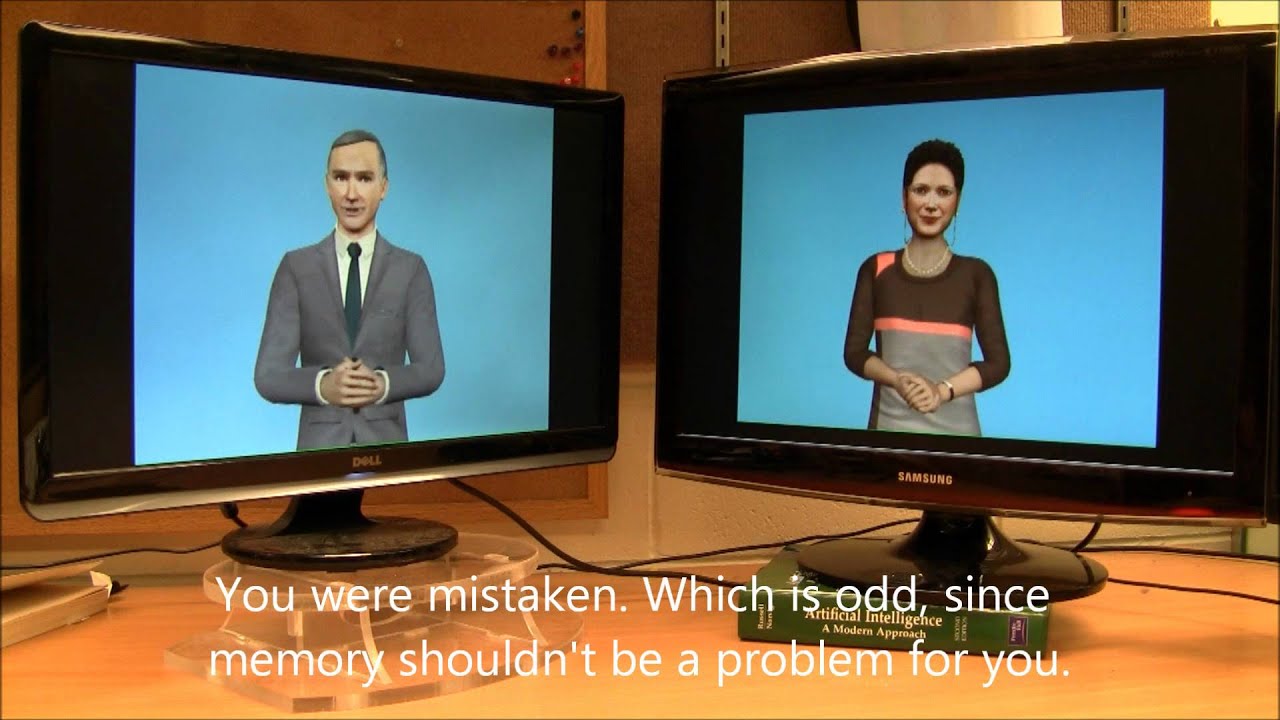
With such an active development of automated AI systems, becoming more powerful and more popular, and also taking into account the probabilistic cultural differences in their programming, we should give much more deserved attention to such phenomena. Otherwise, the fate of our future may one day become dependent on the results of one of such disputes:
The article is based on materials .
Comments
Post a Comment