If you followed the news from the recent recent CES-2014 exhibition, then you probably have seen numerous announcements of devices that can make our life easier. Nowadays you can safely take grills, dishwashers, mattresses and even toothbrushes to clever things, because full-fledged computers with the ability to access the Internet are built into them. But then what will happen with the risk of remote hacking of these household appliances?
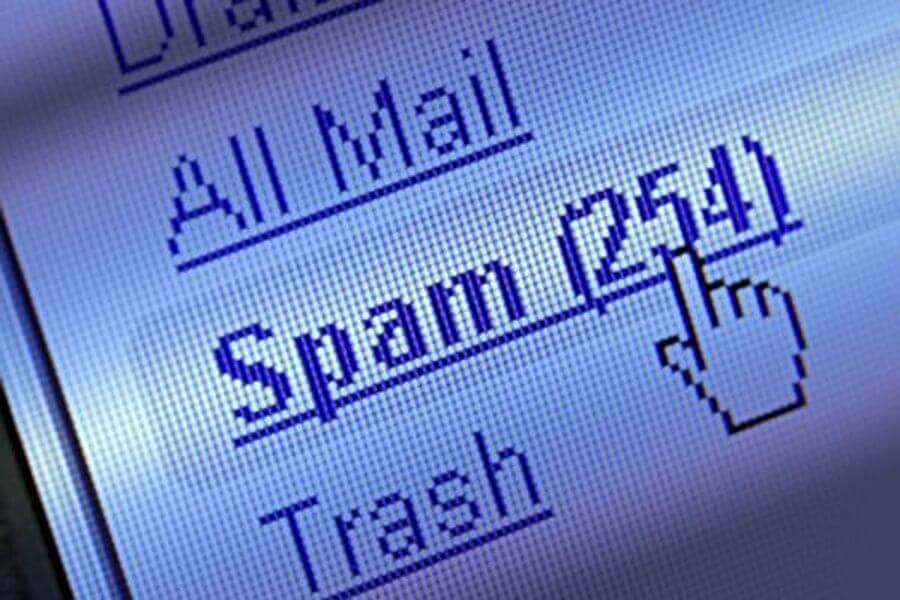
Security company Proofpoint has released data on a massive hacker attack that has affected more than 100,000 household appliances and various gadgets around the world. Most of the affected devices as a result of the attack now sends spam and is used by hackers as a giant botnet.
We remind you that a botnet is a computer network consisting of a number of hosts, within which autonomous applications are installed, installed by attackers, and help them use someone else's equipment to achieve their goals. Having taken hold of someone else's computers, hackers can use them to pick up passwords, make cyber attacks on servers of various companies, and also, as mentioned above, send spam.
Smart TVs, routers, multimedia centers and even refrigerators (!) With Internet access were included in the list of devices attacked by hackers. All these devices made up an impressive 25% of the total number of victims of cyber attacks, which suggests that there are big security problems in the firmware of smart home appliances.
“Botnets have been a serious problem for security specialists before this point, and with the advent of bots as ordinary things, the situation has only worsened,” said David Knight, an employee of Proofpoint, in an interview with Digitaltrends. - Most of these devices are protected so badly that their owners can not even notice the fact of infection or in any way resist it. They will not be able to get rid of malware with all their desire - they simply do not have such an opportunity. With the increase in the number of smart devices, we will encounter an even greater number of cybercrimes. ”
Analytical company International Data Corporation predicts that by 2020 more than 200 billion devices, from game consoles to thermostats, will be connected to the World Wide Web. This means that each of them must be provided with appropriate quality protection against attacks from cybercriminals. After all, the current smart TVs and refrigerators are not as actively supported by manufacturers as smartphones and personal computers. They lack antivirus applications and firewalls, which only makes the situation even more dangerous.
According to data provided by Proofpoint, hackers made over 750,000 spam messages from December 23, 2013 to January 6, 2014 using hacked consumer devices. At the moment, only a few manufacturers of smart devices have paid attention to the gaps in the safety of their products. It is hoped that in the near future this problem will be solved, and our refrigerators will not rebel against their masters.
The article is based on materials .
Comments
Post a Comment